Skip to content
Vijay Corporation
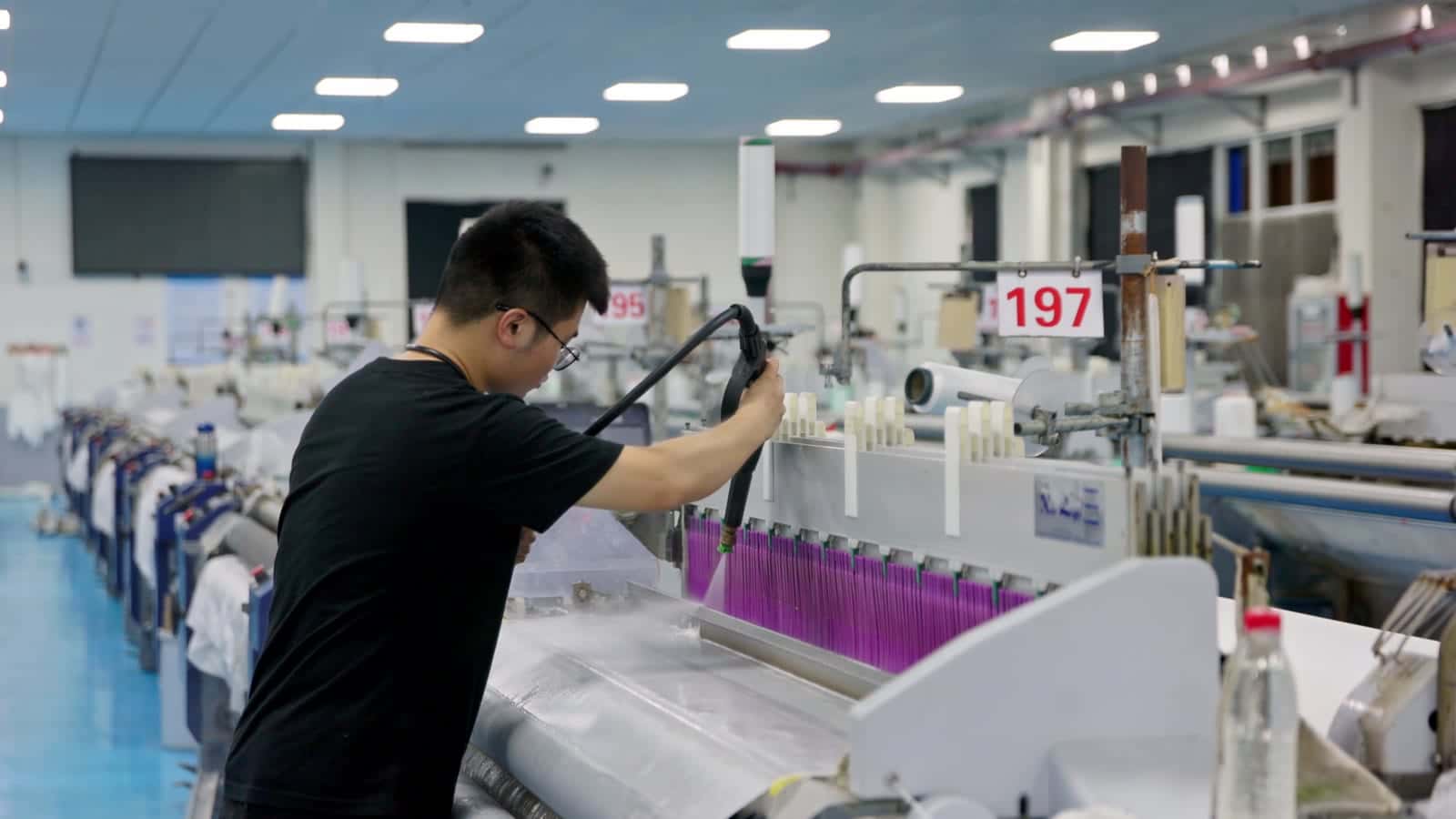
An operator working at a warping machine in a modern textile mill, rows of winding frames receding behind

Manufacturing · Job Work · Trade

Yarn to bale,under one roof.

Sizing and weaving on job work, grey and finished fabric on our own account. Ninety-nine percent of what we ship leaves as a bale — and every one of them traces back to its yarn lot.

  • Sizing
  • Weaving
  • Processing
  • Bale Packing
  • Warehousing
  • Exports
  • Job Work
  • Grey Fabric
  • Finished Fabric
  • Yarn
  • Stock Custody
  • Lot Traceability

Vijay Corporation by the numbers

Years in the trade
25+ (provisional value, to be confirmed)
Sizing, weaving and fabric trade
Metres per month
1.2M (provisional value, to be confirmed)
Across the loom network
Looms in network
300+ (provisional value, to be confirmed)
Own and partner units
Export destinations
14 (provisional value, to be confirmed)
Managed as a distinct line

Figures marked with a dotted rule are provisional and awaiting confirmation from the company. They are placeholders for layout, not published claims.

From yarn to bale: our production chain

Yarn to Bale — the chain

Seven steps, one continuous record.

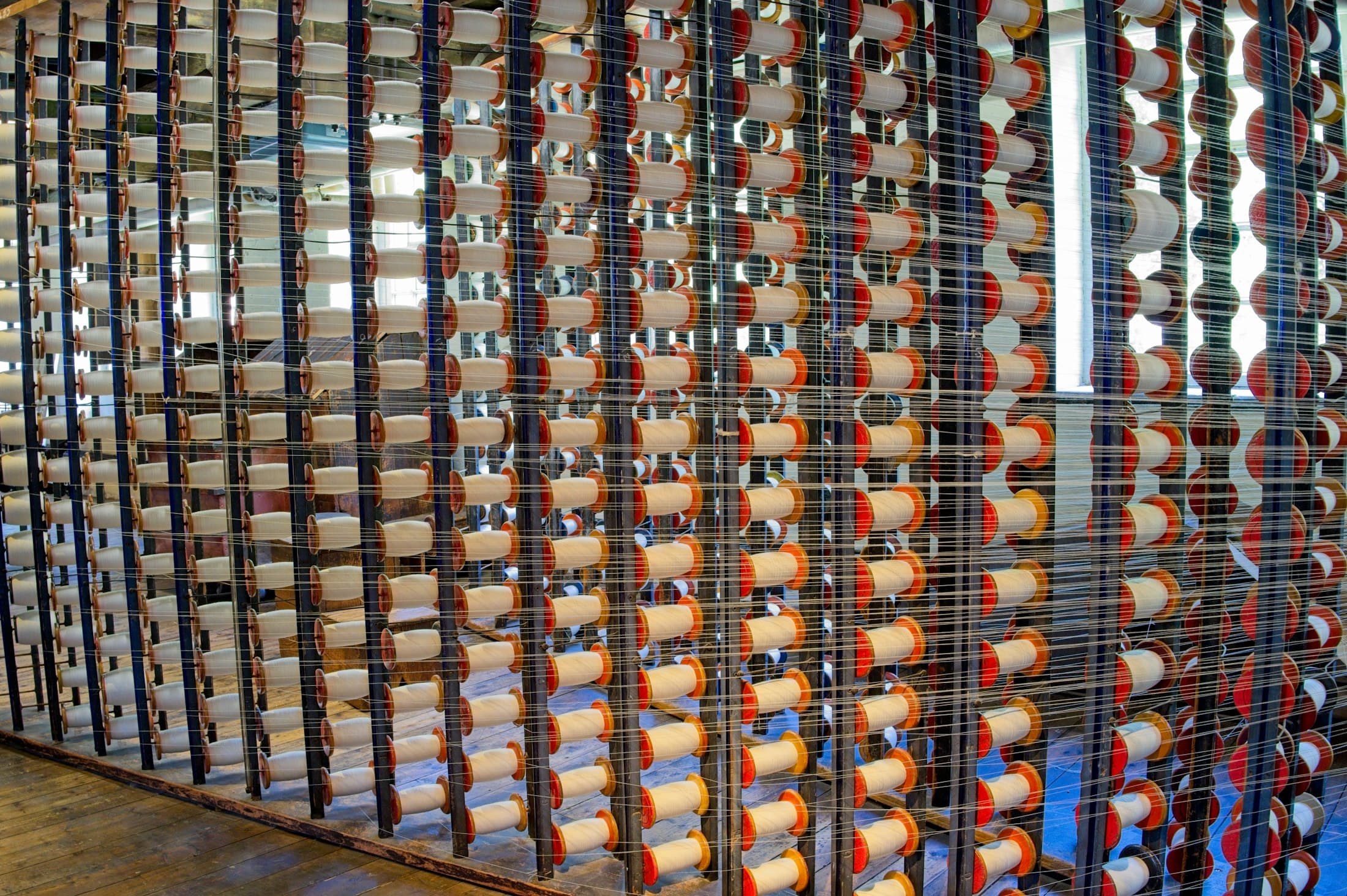
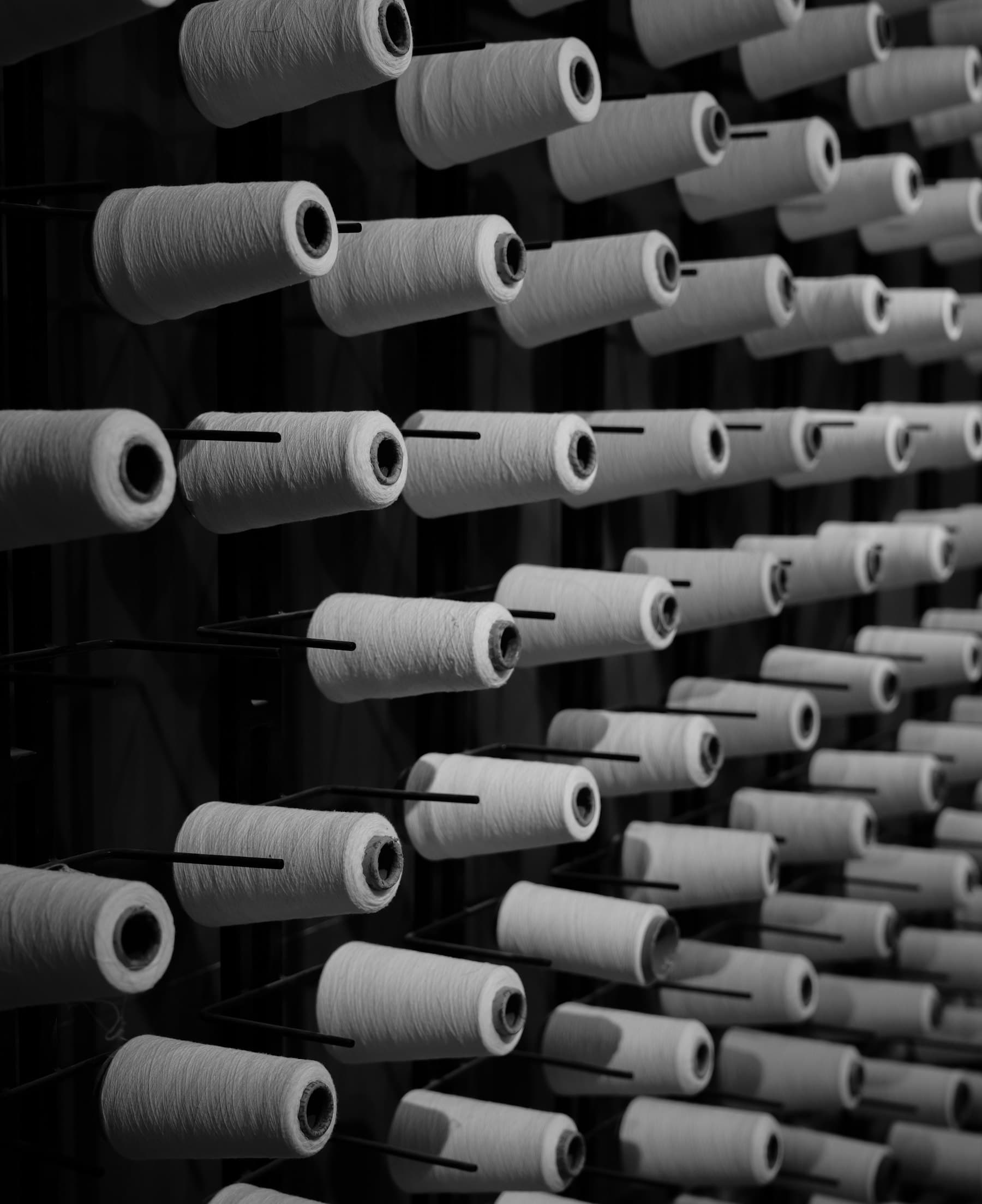
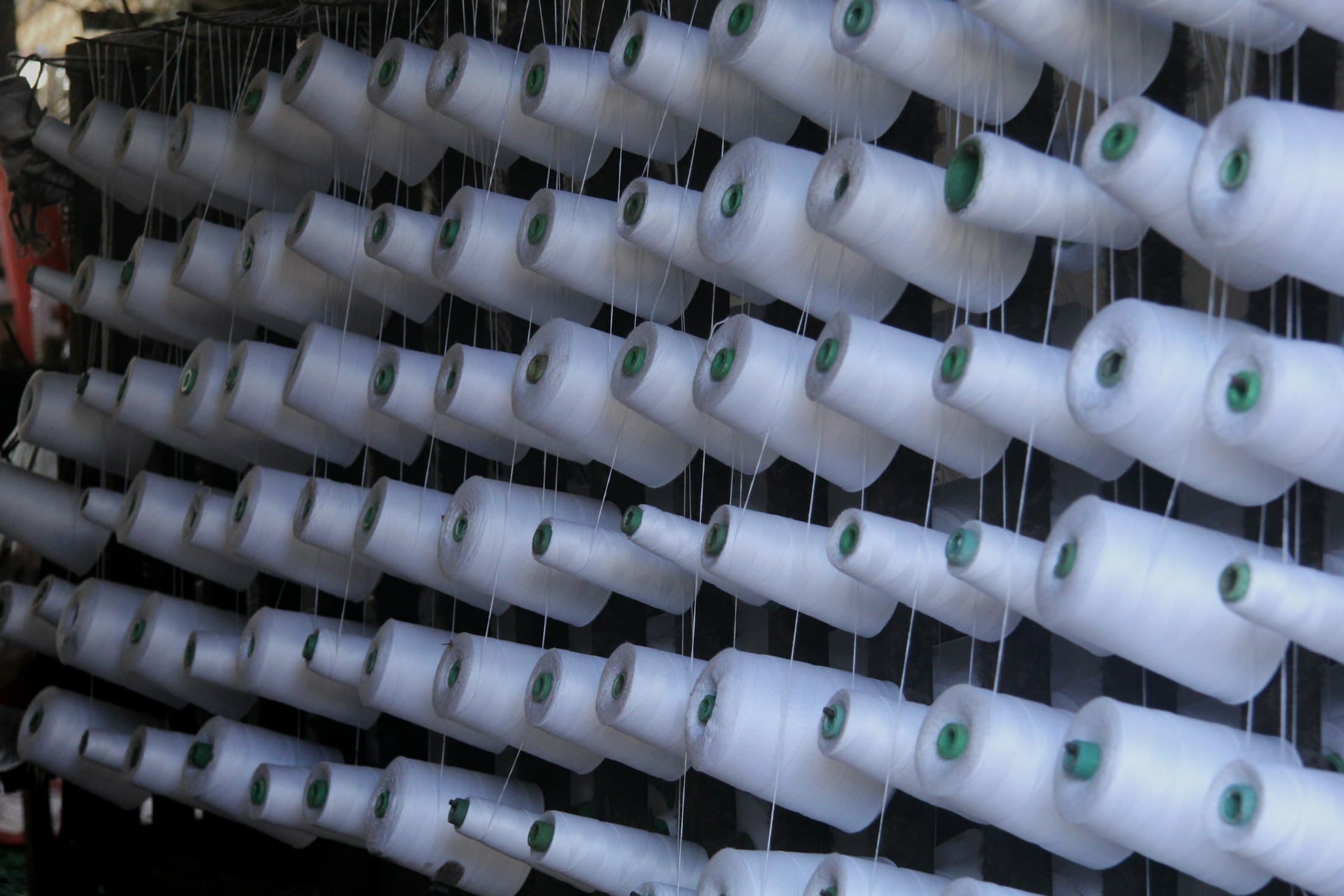
  1. Dense rack of white yarn cones with threads drawn off under tension

    Yarn

    It starts with a lot number.

    Cotton, blended and man-made yarn enters against a lot number — ours, or the customer's under job work. Count and lot are recorded at intake, and every downstream step carries them forward.

    Recorded

    Count · lot · supplier

  2. Warping creel: hundreds of cones feeding individual ends toward the beam

    Sizing

    Ends drawn onto the beam.

    Our sizers draw the yarn onto beams and apply the size that lets the warp stand up to the loom. Each beam is booked against its yarn lot before it moves to weaving.

    Beam

    Ends · length · size pick-up

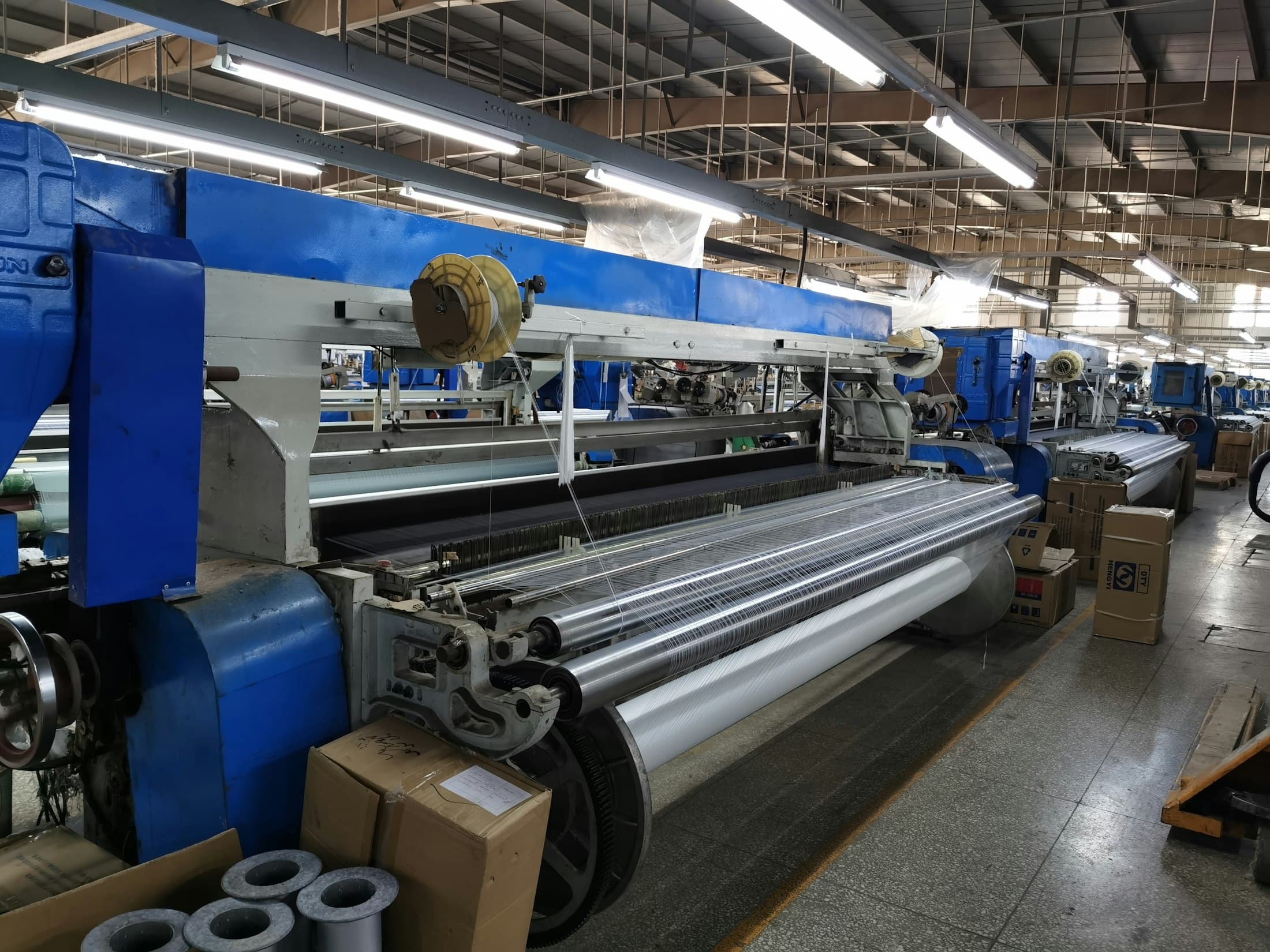
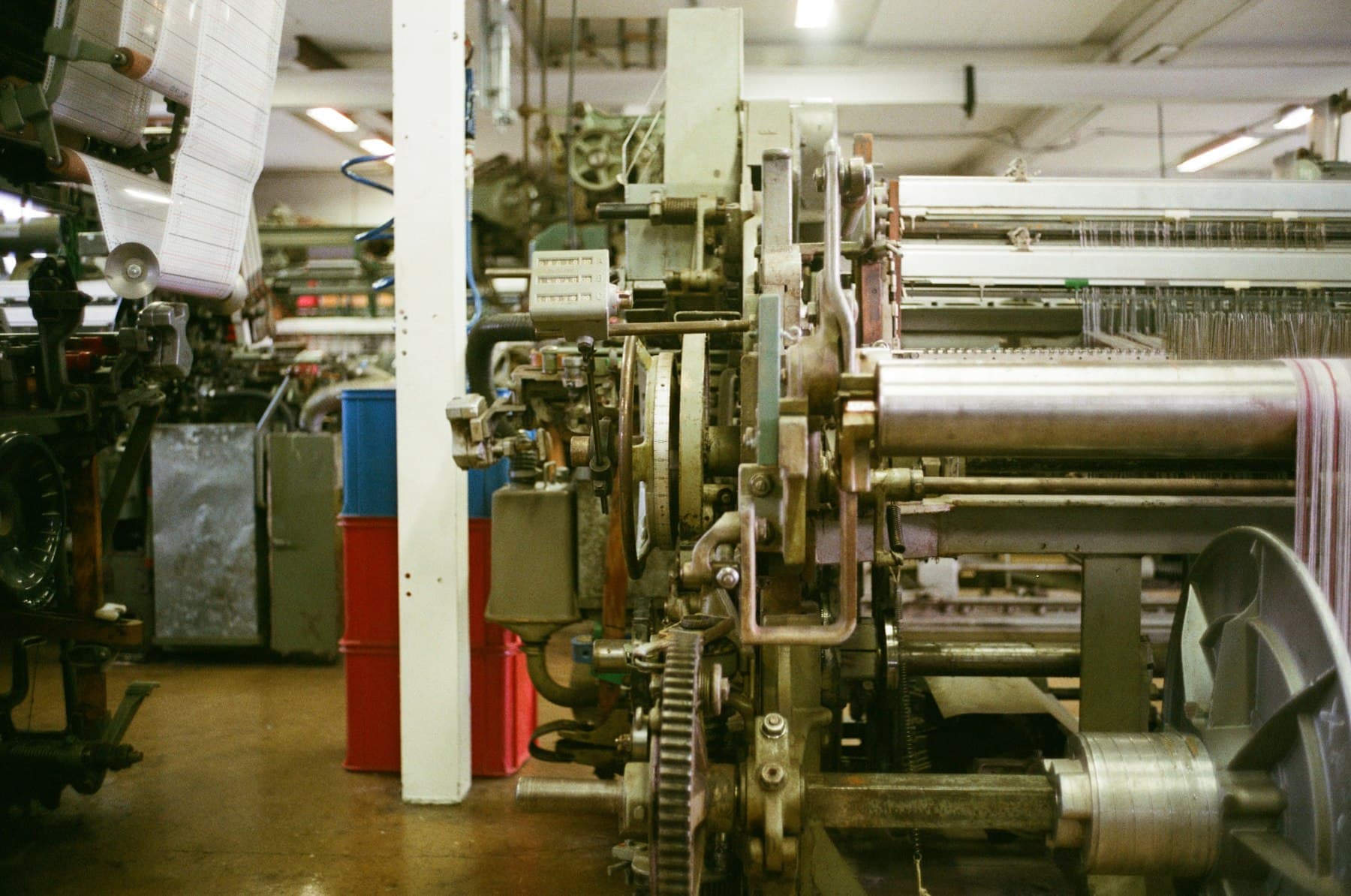
  3. Wide-width shuttleless loom with the warp sheet running through the reed and cloth taking up on the roll

    Weaving

    Construction-wise, across the network.

    Beams go out to our weavers and run to construction. Ends, picks, reed and width are fixed per order, and cuts are booked back against the beam they came from.

    Construction

    Ends × picks · reed · width

  4. Stacked rolls of loom-state grey fabric, unbleached and untreated

    Grey Fabric

    Loom-state, measured and graded.

    Cloth comes off the loom as grey. It is measured, checked for lumps and weaving faults, and graded — sold on as grey, or sent forward for processing.

    Checked

    Cuts · lumps · length

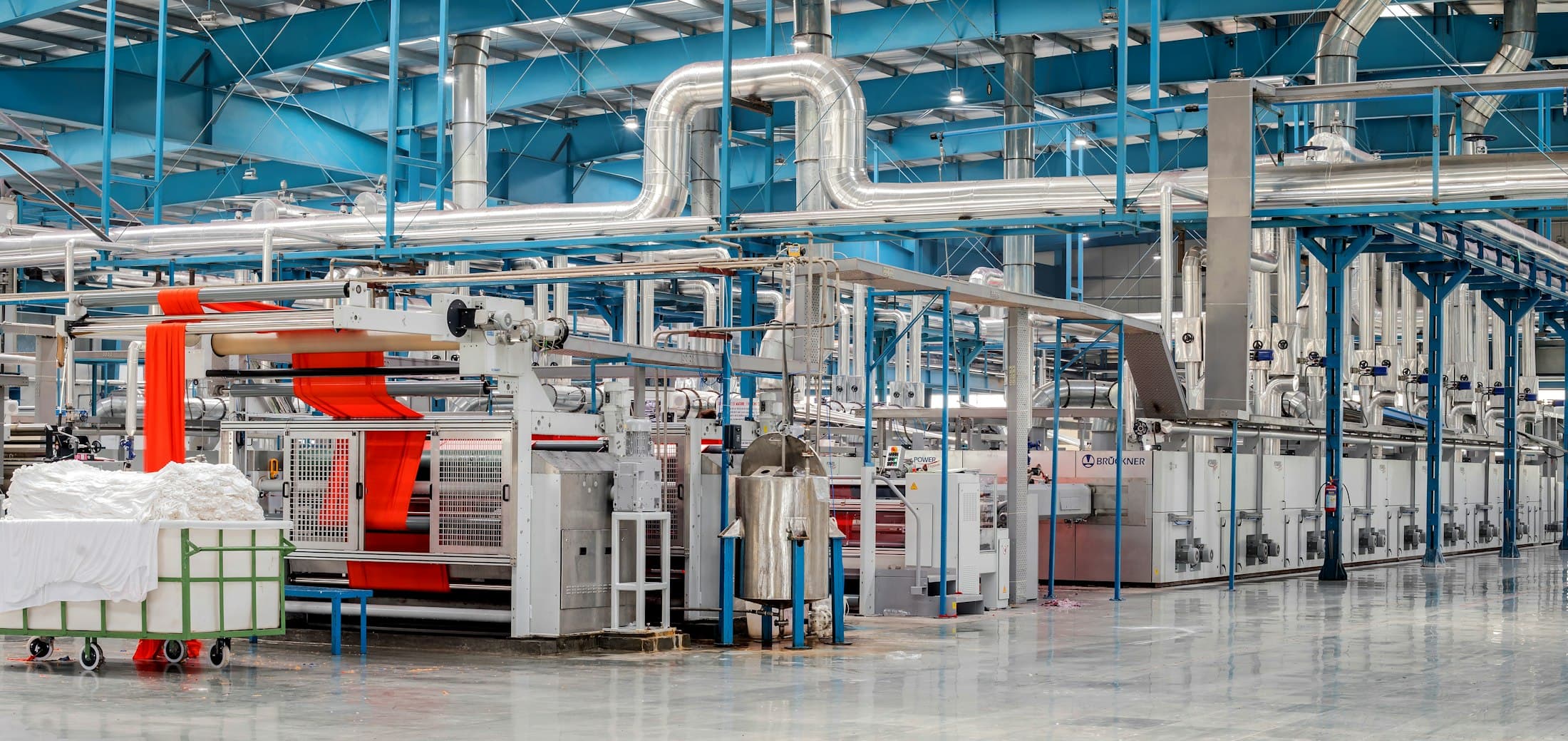
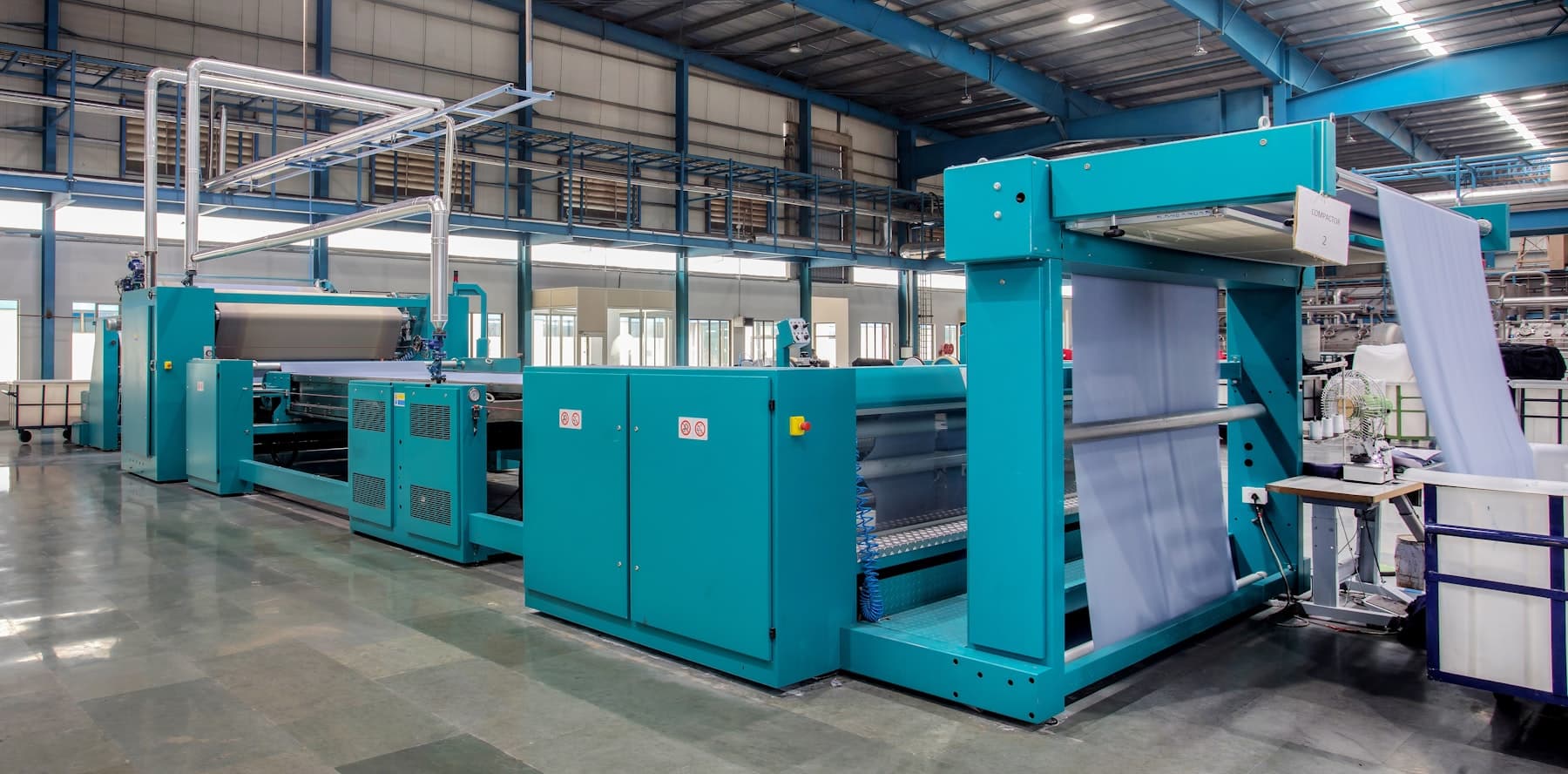
  5. Fabric finishing line with overhead pipework running the length of the plant

    Processing

    Dyed, finished, and accounted for.

    Grey goes to our processors for dyeing and finishing. The goods stay on our books throughout — shade, processor and lot are recorded against the same chain.

    Custody

    Processor · shade · lot

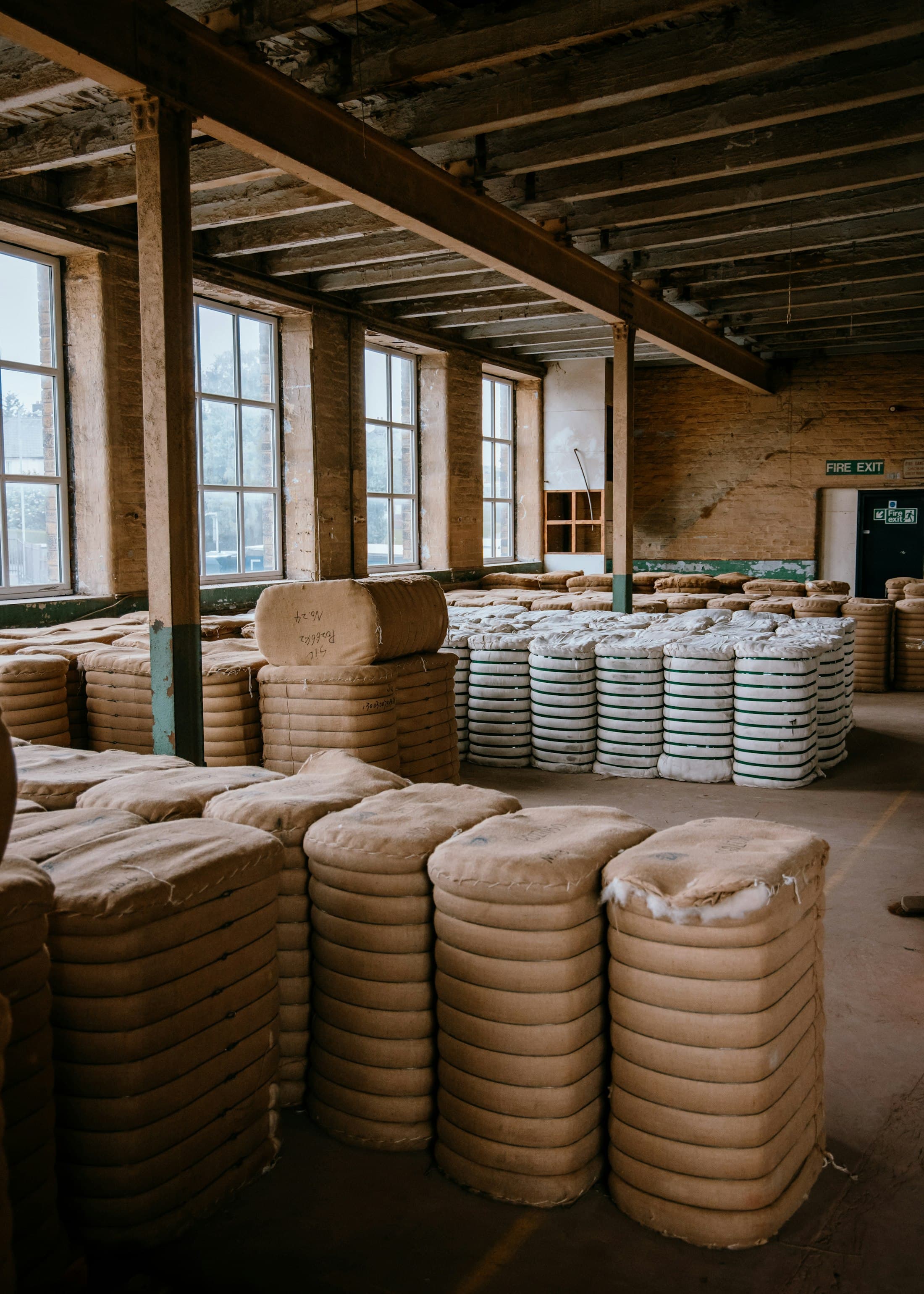
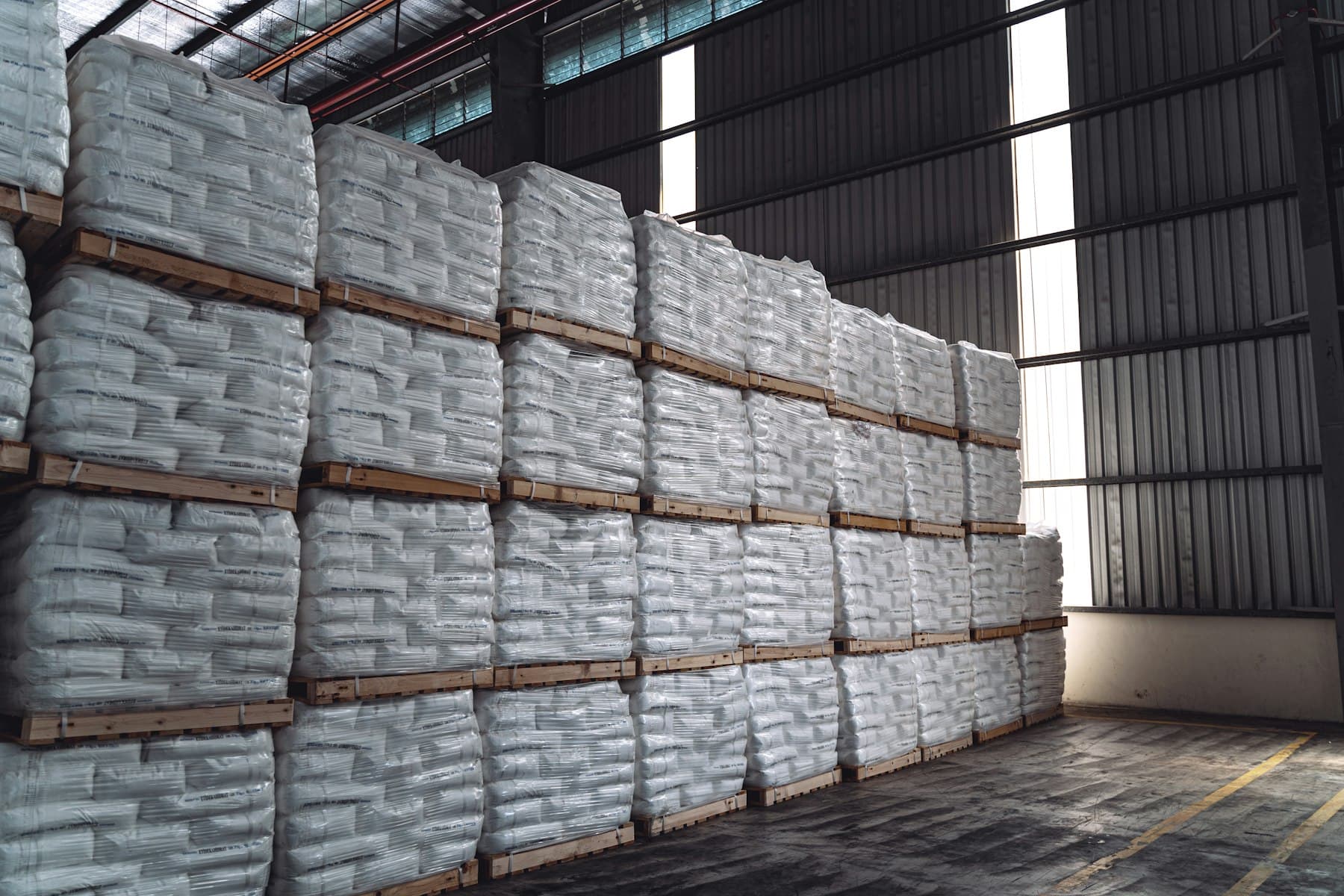
  6. Compressed bales wrapped and stacked in columns in a mill store

    Bale Packing

    The unit we actually sell.

    Fabric is folded, pressed and packed into bales. Ninety-nine percent of what leaves here leaves as a bale, marked and booked against its lot.

    Bale

    Thans · metres · marks

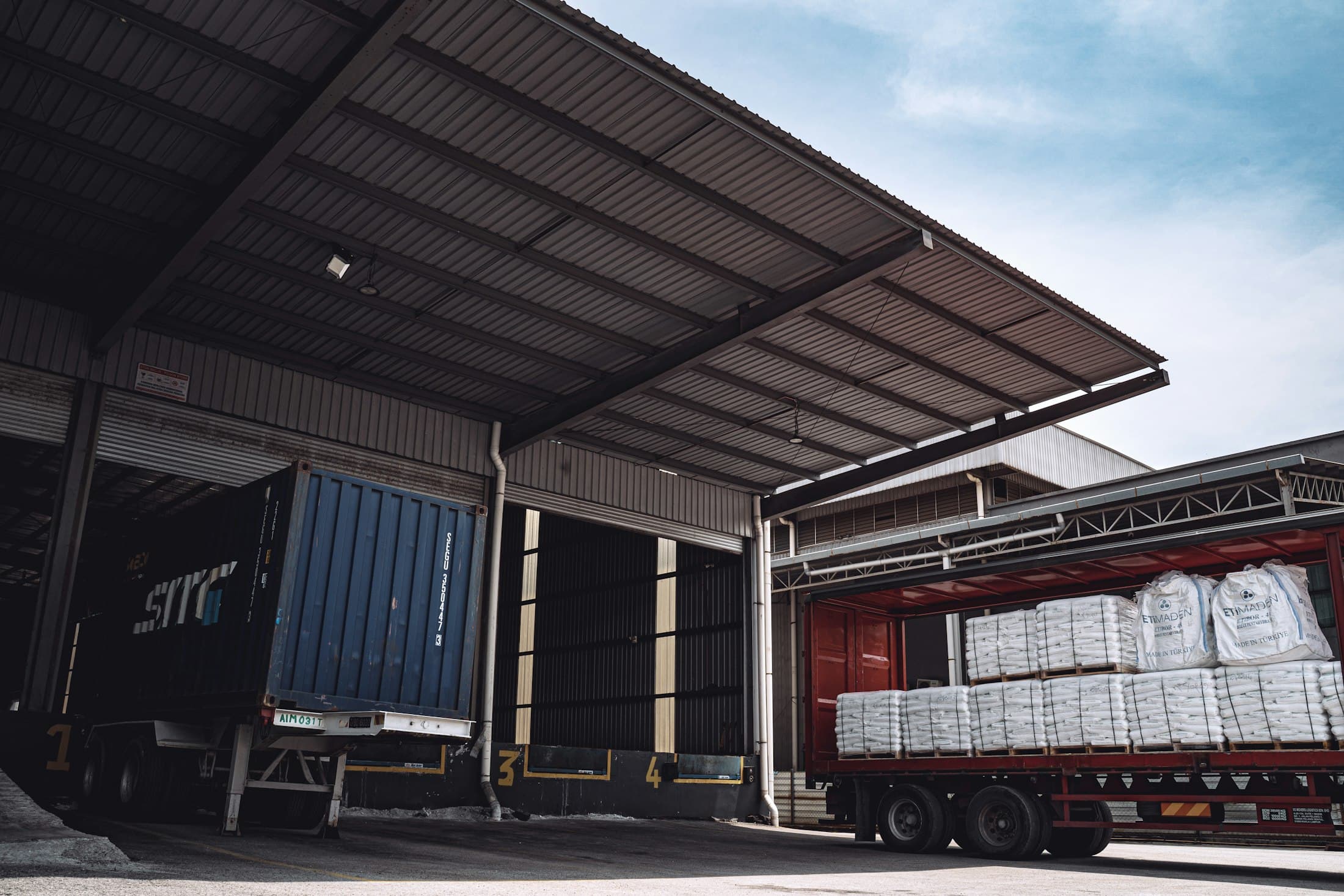
  7. Bales loaded onto a truck at a warehouse dispatch bay

    Dispatch

    Domestic under GST. Exports as a managed line.

    Bales move out through our transporters and agents — domestic against GST invoicing, exports handled as a separate line with its own documentation.

    Routes

    Domestic · export

    Every bale, traceable to its yarn lot.

Before you enquire

What we run, and on what terms.

The things a buyer asks first. If your construction is not here, it is still worth sending — most of what we run is quoted per order.

Constructions
Ends × picks, reed and width — to your specification
Tell us the construction. If it is not already running, we quote it against a beam.
Counts
20s – 60s · cotton, PC, polyester (provisional value, to be confirmed)
Cotton, blended and man-made yarn, sourced against lot.
Widths
44″ – 63″ (provisional value, to be confirmed)
Standard and wide-width looms across our weaving units.
Minimum order
One bale per construction (provisional value, to be confirmed)
Short runs are possible because we work across a weaver network, not one shed.
Lead time
15 – 25 days from confirmed beam (provisional value, to be confirmed)
Depends on the construction, the yarn position and whether processing is involved.
Samples
Swatch on request · hanger against order (provisional value, to be confirmed)
So you can check the hand and shade before committing to a lot.
Packing
Bales — thans, metres and marks stated
Ninety-nine percent of what leaves here leaves as a bale.
Terms
Domestic under GST · exports on their own documentation
Export is run as a distinct line, not squeezed between domestic orders.

Values with a dotted rule are provisional and awaiting confirmation from the company — minimums, lead times, counts and widths are trade commitments, so they are placeholders for layout, not published claims.
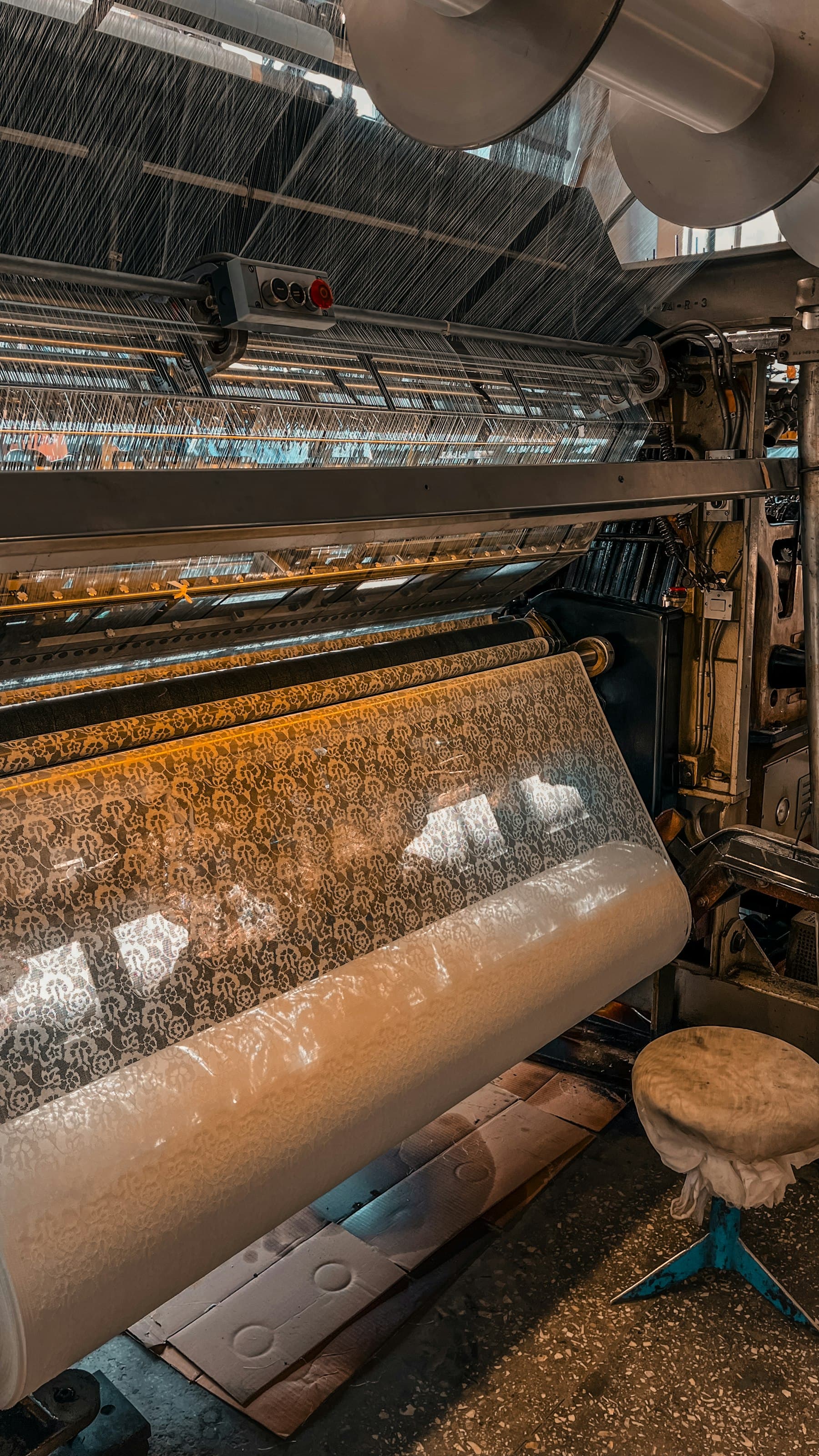
Working loom weaving patterned cloth, dense warp sheet overhead and finished fabric on the take-up roll

Job Work

Your yarn. Our looms. Your goods back.

We take in customer-owned yarn and beams, do the sizing and weaving, and return the goods — with custody tracked at every step. Your material never merges with ours, and the paperwork says so.

  1. Your yarn or beams arrive

    Received against your lot, checked in, and kept separate from our own stock.

  2. We size and weave

    Drawn onto beams, sized, and run to your construction across our loom network.

  3. Your goods go back

    Returned as cloth or bales, fully accounted for — with the custody record intact.

Warehousing

Stock held under your lot, not on a pile.

Covered godown space for fabric, yarn and packing material. We already hold goods that are not ours — under job work, customer yarn stays separate and comes back accounted for. Storage is that same discipline, sold on its own.

  1. Inward

    Goods received against your lot, counted and marked. Booked in under your name, kept separate from our own stock.

  2. Held under lot

    Stored by lot and construction with its location recorded — so a specific lot can be found, not just the pile it is in.

  3. Reported

    You can be told what is held, in what quantity, and against which lot, without anyone walking the aisles to guess.

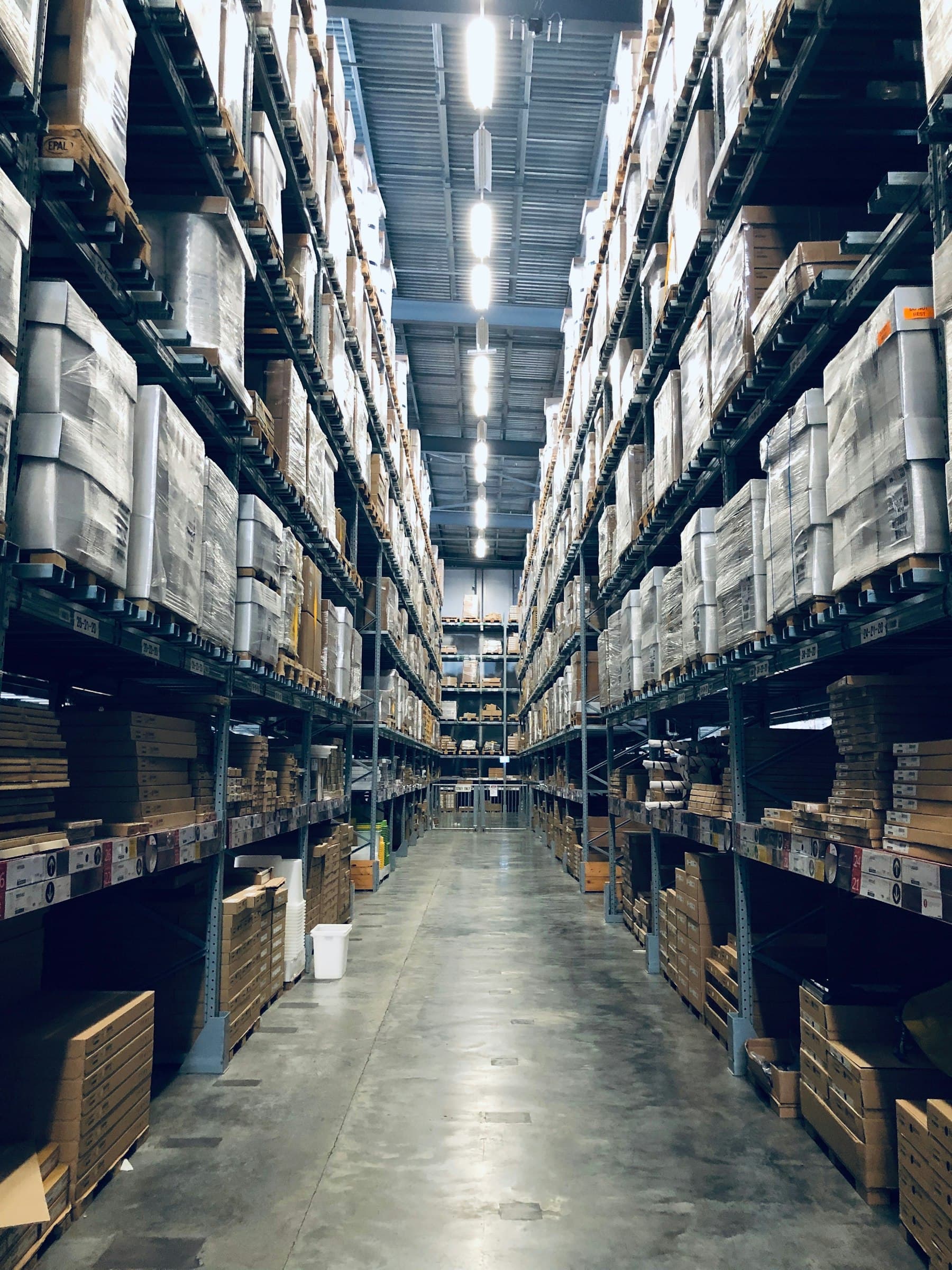
Aisle between high pallet racking in a warehouse

How it works

From your specification to a marked bale.

No forms to fill in before you find this out. This is the whole process.

  1. Send the construction

    Ends × picks, reed, width, count, quantity and when you need it. That is enough for us to price it.

  2. We quote against a beam

    Price and lead time — or, if the construction will not run cleanly, what we would change and why.

  3. Sample, if you want one

    Check the hand and the shade before you commit a lot to it.

  4. Beam raised, order run

    Sized, drawn onto the beam and woven to construction. Cuts booked back against the beam they came from.

  5. Graded, packed, dispatched

    Measured and graded at grey, packed into marked bales, and out under GST or on export documentation.

Tell us the construction. We will quote it.

Grey or finished, job work or trade, domestic or export — send the specification and we will come back with a price against a beam.